Texas heat shapes careers. If you can keep a home cool in August in Laredo or bring a strip mall back online during a July brownout in Dallas, you’ll never lack for work. The path to becoming a licensed air conditioning technician in Texas is clear but structured, with deadlines, exams, and on‑the‑job hours that test both patience and craft. This guide walks through that path from zero experience to running your own crew, with practical insight from the field, not just regulations.

What “licensed” means in Texas and why it matters
Texas regulates air conditioning and refrigeration work through the Texas Department of Licensing and Regulation, often shortened to TDLR. The state recognizes several roles. You can work as a registered technician under the supervision of a license holder. You can hold a Technician Certification that signals training and experience but still requires supervision for regulated work. And at the top sits the Air Conditioning and Refrigeration Contractor License, which authorizes you to contract with customers, pull permits, advertise, and run a company.
The distinction matters. If you plan to replace an air conditioning unit, design or modify ductwork, or bid jobs, you need a licensed contractor attached to that work. Homeowners and property managers check license numbers, building departments require them for inspections, and your insurance underwriter cares a lot about your license class and experience when they set premiums. On a practical level, being licensed unlocks better pay, more autonomy, and the ability to choose the mix of residential service, light commercial, or specialized markets like refrigeration or controls.
The credential stack you’ll build along the way
Before you turn a wrench on a condensing unit, it helps to understand the sequence of credentials you’ll collect. Think of it like ladders leaning against the same wall. You climb each at the right time.
- EPA Section 608 certification. Federal law requires anyone who handles refrigerants to be certified. There are three Types for stationary HVAC work and a Universal card that covers all of them. You cannot legally recover or charge a system without this in your pocket. Most schools schedule it early in their program because students can’t even practice recovery without it. TDLR registration as an Air Conditioning and Refrigeration (A/C&R) Technician. This is a simple registration, not a full license, that allows you to work for a licensed contractor. The company’s license holder is responsible for supervising your regulated work. Optional TDLR-certified Technician status. This requires more training or experience than registration and signals you have baseline competency. It does not let you contract independently, but it helps with hiring and pay. Name: Leander Air Conditioning Repair
Address: 1904 S Bagdad Rd, Leander, TX 78641
Phone: (737) 379-1515
This is the logo of Leander Air Conditioning Repair https://leanderairconditioningrepair.com/assets/leander-air-conditioning-repair-air-conditioner-repair-near-me-leander-tx-logo.png
Leander Air Conditioning Repair is a local Air Conditioning Business located in Leander, TX, 78641
Leander Air Conditioning Repair serves consumers with residential air conditioning emergencies
Leander Air Conditioning Repair offers free quotes and assessment
Leander Air Conditioning Repair address is 1904 S Bagdad Rd, Leander, TX 78641
Leander Air Conditioning Repair phone number is (737) 379-1515
Leander Air Conditioning Repair has the following website https://leanderairconditioningrepair.com
Leander Air Conditioning Repair has the following google map listing https://maps.app.goo.gl/Gxqsa14z8oFiu5SHA
Leander Air Conditioning Repair has this Facebook page https://www.facebook.com/profile.php?id=61580147141792
Leander Air Conditioning Repair has this twitter profile https://x.com/LeanderAirCRep
Leander Air Conditioning Repair has the following Linkedin page https://www.linkedin.com/in/leander-air-conditioning-repair-a09a63382
Leander Air Conditioning Repair has this Youtube channel https://www.youtube.com/@LeanderAirConditioningRepair
Leander Air Conditioning Repair serves residents near Bagdad Cemetery.
Leander Air Conditioning Repair provides services near Leanderthal Lady Marker and Leander High School.
Leander Air Conditioning Repair helps residents close to Leander Police Department.
Air Conditioning and Refrigeration Contractor License. This is the goalpost if you want to operate independently. You’ll pick a license class and endorsement, pass an exam, carry insurance, and comply with business requirements.
Each piece builds on the last. In practice, most techs start with school or a trade program, grab EPA 608, register with TDLR, pile up on‑the‑job hours under a licensed contractor, then sit for the contractor exam when they have the right mix of experience and confidence.
Choosing your training lane: school, apprenticeship, or both
There are two reliable paths into the trade in Texas: a structured program through a community college or technical school, and a true apprenticeship with a contractor or union. Plenty of techs do both. The right choice depends on your budget, timeline, and learning style.
Community and technical colleges offer HVACR certificates that run 6 to 12 months, and associate degrees that run about two years. The better programs aren’t just classroom. They include lab time on live equipment, coil cleaning and brazing practice, electrical troubleshooting with meters and schematics, and capstone jobs that simulate a service call from diagnosis to written estimate. A well-designed curriculum also prepares you for the EPA 608 exam and sometimes the TDLR Technician Certification exam.
Apprenticeships flip the emphasis. You earn a wage from day one while rotating through seasonal work. Your first summer might be 90 percent maintenance and simple calls under a senior tech. Your first winter might be heat pump defrost issues and gas furnace safeties. A formal apprenticeship program stitches this on‑the‑job learning to classroom nights, typically one or two evenings a week. You won’t get the same lab environment you find in school, but you’ll see every weird attic in Houston and learn to work around real constraints: bad access, odd duct transitions, and homeowners who want to watch.
I’ve watched green techs succeed from both routes. The ones who climb fastest combine them. They take a compact air conditioning trainings block at a community college to master theory and safe practices, then log hours under a strong service manager who insists on good paperwork and thorough diagnostics.
The first paperwork: TDLR technician registration and EPA 608
You can register as an A/C&R technician with TDLR as soon as you have an employer. The application asks for basic identification and may require a background check. Registration gives you a clear, legal role on job sites and makes it easy for your employer to pull permits as needed.
EPA Section 608 can be done through your school, a trade association, or approved online test providers with proctoring. If you’re unsure which Type to take, go straight for Universal. It covers low‑pressure chillers, high‑pressure split systems, and small appliances. The test is not calculus. It is safety and rules: recovery levels, cylinder color codes, leak repair thresholds, and fines for noncompliance. Study the core safety content and refrigerant handling tables. The day you recover a charge from a tight crawlspace with a headlamp and a hot recovery machine, you’ll be glad you memorized those tables.
Building real experience: what counts and what actually helps
TDLR cares about months and years of relevant experience supervised by a licensed contractor when you apply for the contractor license. The exact hours that count and the documentation requirements can change, so verify on the TDLR site before you plan your exam timeline. In general, one of the approved pathways mixes education with experience, while another accepts a longer stretch of full‑time work without formal schooling.
From a skills perspective, you want breadth and repetition. You should diagnose short cycling on a heat pump in January, find a floating neutral in a package unit in April, resolve a double‑trap at a condensate line in July, and lay out a proper return for a noisy closet air handler in October. You need to size conductors by the nameplate minimum circuit ampacity, not just copy what is there. And you need to know when an Air Conditioning Replacement is the right call versus a repair on an aging R‑22 system that still has life in it but leaks once a year.
If your shop installs new equipment, volunteer to help with load calculations, duct layouts, and commissioning. Running the numbers in a real house burns the rules into your habits. You will stop guessing tonnage and start proving it. That shows up later on your state exam and in fewer call backs.
Picking your license class and endorsement
Texas splits contractor licenses into Class A and Class B. Class B covers systems up to a certain cooling and heating capacity suitable for most residential and light commercial. Class A has no such capacity cap and allows you to take on larger projects. If your ambitions include supermarkets, small chilled water jobs, or big rooftop units, you’ll want Class A on your card.
Endorsements signal specializations within the license. Air Conditioning includes comfort cooling and heating with air distribution. Refrigeration focuses on low temperature work like walk‑ins and ice machines. Environmental Air deals with indoor air quality and ventilation. Many contractors carry both Air Conditioning and Refrigeration endorsements to keep options open. The exams reflect these choices, so register for the one you actually intend to practice.
The exam: what it covers and how to prepare like a pro
The TDLR contractor exam covers code, trade knowledge, and business topics. Expect questions rooted in the International Mechanical Code and the National Electrical Code as adopted in Texas, along with state‑specific rules. You’ll face math for airflow, sensible and latent loads, gas pipe sizing basics, and electrical protection. Business questions range from contracts and change orders to worker classifications and advertising rules.
Here is a compact study plan that works for techs who already turn tools:
- Build a code index. During open book exams, speed matters. Tab your mechanical and electrical code books with labels for clearances, duct construction, condensate disposal, equipment disconnects, and conductor sizing. Write a simple index on the inside cover. Drill the math with real numbers. Use manuals or practice problems that force you to calculate total external static pressure and match it to blower performance, or to compute voltage drop for a condenser 110 feet from the panel. These numbers appear in everyday work, not just exams. Practice business scenarios. Read sample contracts and identify sections that protect you: scope, exclusions, warranty, and payment draw schedule. Understand what your general liability policy will and won’t cover. Simulate test conditions. Timed practice builds confidence. During one prep cycle, I saw pass rates jump when techs started doing 60‑minute practice blocks on Sunday mornings with no phone. Uninterrupted focus matters more than people admit. Close skill gaps intentionally. If low‑voltage diagnostics is your weak point, spend a Saturday tracing control circuits on a training board. If refrigeration cycle analysis throws you, run through a full superheat and subcooling calculation on three different system types until you can do it without second guessing.
A note about the business section: it is not optional in the real world. Your first broken attic ladder injury or scratched hardwood floor will test whether your paperwork and insurance were in order long before your technical skills are questioned.
Insurance, bonds, and the business side you cannot ignore
To activate your contractor license, you must show proof of liability insurance that meets TDLR minimums. Get quotes early. A new Class B license holder might see annual premiums in the low thousands, depending on limits and endorsements. Add more if you grow a crew, drive wrapped vans, or take on commercial work that requires higher limits or an umbrella policy. If your local jurisdictions require bonds for permit pulling or public work, build that into your start‑up budget.
Workers’ compensation is not mandated statewide for all private employers in Texas, but many commercial clients and general contractors require it. Even if you’re mostly residential, workers’ comp protects your business when a tech gets hurt crawling through a blistering attic. Skimping here is a false economy.
Set up clean administrative habits from day one: separate business banking, cloud storage for permits and invoices, serialized work orders, and a simple preventive maintenance plan you can explain in one page. If you plan to market Air Conditioning Replacement services in older neighborhoods, collect before‑and‑after photos with matched angles and clean condenser pads. Nothing sells like evidence.
Working under a licensed contractor versus running your own shop
There is no shame in remaining a top technician under a contractor. Many techs with a decade in the trade earn a comfortable living, drive a company truck home, and never worry about payroll taxes. The upside to holding your own license is control. You set standards for callbacks, choose equipment lines, and decide whether to build a maintenance base or chase construction.
The first year as a new contractor rarely resembles the highlight reels. You will spend an afternoon at the supply house because the crane shows late. You will rewrite a proposal twice because the homeowner’s cousin “used to do HVAC” and has opinions. You will discover that your favorite line set route conflicts with the homeowner’s desire to keep a rosebush intact. The technicians who make the leap successfully tend to have strong habits before they leap. They take photos, they write legible estimates with itemized options, and they leave attic light bulbs on for the next trade.
Field realities they do not teach well in class
Two stories stick with me. The first involves a coastal job where an air conditioning unit suffered repeated capacitor failures. The tech had replaced like for like three times in one summer. The fix wasn’t a better capacitor. It was a hard start kit and a voltage monitor because the beach community’s transformers sagged on holiday weekends. The right diagnosis required stepping back from parts to patterns.
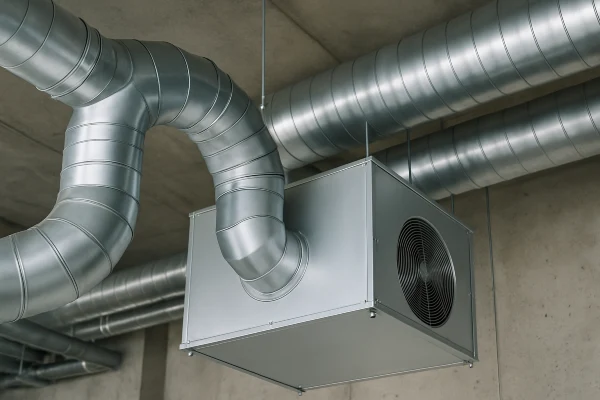
The second story is a builder who insisted on the same 3‑ton unit for every plan in a subdivision. We ran a quick load on one corner lot with more west glass and adjusted to 3.5 tons with a higher‑SEER compressor and a slightly bigger return. That home logged fewer callbacks and happier occupants. The lesson is simple: numbers you run beat rules of thumb you inherit.
Salt air eats fasteners. Hill https://www.longisland.com/profile/hafgarhcdt/ Country homes hide long refrigerant runs that punish poorly insulated lines. North Texas hail makes cage selection more than aesthetic. Every region teaches you tricks if you listen.
Specializing without trapping yourself
Texas is large enough to support niche expertise. Supermarket refrigeration, restaurant ice, data center cooling, and VRF systems all live here. Specialization can raise your rates, but it can also narrow your pipeline. Before you dive, keep your core competency sharp: safety, electrical diagnostics, refrigerant management, and airflow. You can layer controls training or commercial refrigeration courses on that foundation without becoming dependent on a single client type.
If you are drawn to high performance residential work, invest in blower doors and duct leakage testers and learn to interpret results. Comfort complaints that survive multiple service calls often trace back to static pressure and duct design rather than equipment. Being the contractor who solves those problems wins trust and referrals.
Ethics, codes, and the long game
Most of the trade’s reputation rests on small choices. Recover refrigerant even when nobody is watching. Pull a permit on that full system changeout even if the client doesn’t ask. Tag a cracked secondary heat exchanger and put your name on the red tag. The day you cut corners to save an hour is the day you teach your apprentice the wrong lesson.
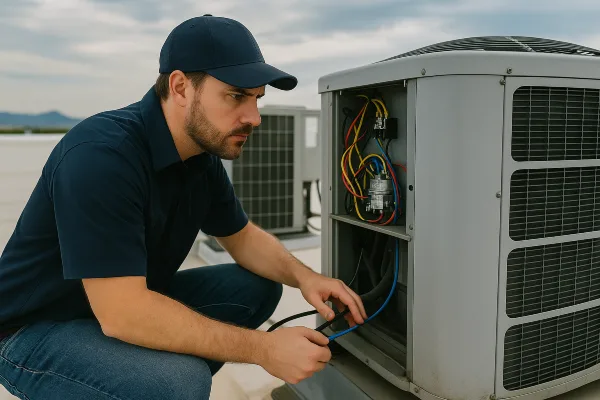
Codes evolve. Texas jurisdictions update on different cycles, and some adopt amendments that differ from the base code. Keep your library current and attend code update classes. The best air conditioning trainings aren’t just about memorizing clearances. They explore the reasons behind the rules, which makes it easier to adapt on site when a plan conflicts with a truss or a soffit.
Step-by-step: from zero to licensed contractor in Texas
- Confirm your path. Decide whether you will start with school, apprenticeship, or both. If you need income immediately, find an entry-level helper role with a reputable contractor while enrolling in night classes. Get EPA 608 Universal certification. Schedule it early. It opens doors and keeps you compliant from the start. Register with TDLR as an A/C&R technician. Keep your registration current and work under a licensed contractor. Accumulate supervised experience and documented training. Save pay stubs, W‑2s, and completion certificates. Keep a simple log of significant jobs and responsibilities. Choose license class and endorsement, prepare, and sit for the TDLR contractor exam. Once you pass, secure required insurance and submit your license application with documentation.
This sequence moves you from helper to licensed air conditioning technician who can contract and lead work legally. The timing varies. Motivated techs with prior mechanical experience sometimes reach licensure in a few years. Others take longer, building a deeper bench of field experience before taking the exam.
Tools, habits, and customer communication that set you apart
Tools are a multiplier. A good digital manifold with accurate temperature clamps saves you from chasing ghosts in subcooling. A quality micron gauge prevents premature compressor failures after a line set repair. A thermal camera helps confirm duct leakage and missing insulation without guesswork, and it impresses clients when used judiciously.
Habits matter more. Wipe your hands before you touch a thermostat. Photograph nameplates and filter sizes and attach them to the work order every time. Label the disconnect you pull, and reinstall it fully. Check static pressure on maintenance visits instead of only when there is a complaint. These small acts separate professionals from parts changers.
Customers judge your technical work through the lens of your communication. If a system fails in August, they want honesty and options. It helps to structure recommendations in plain language: repair with expected lifespan, partial upgrade like a coil match, or full Air Conditioning Replacement with efficiency and comfort benefits. Explain what will happen the day of the job, who will be on site, how long the home will be without cooling, and what you will do to protect floors and attics. Offer to leave behind a one‑page maintenance guide with filter sizes and change intervals. That’s not marketing fluff. It reduces future service calls and builds trust.
Costs, earnings, and realistic expectations
School tuition for a one‑year certificate might fall between a few thousand and the mid‑teens, depending on the program and tools included. Apprenticeship wages start lower than a seasoned tech’s pay, but you are earning while you learn, and employers often cover part of your training.
Registered technicians with a year of field work can expect hourly wages that rise quickly with troubleshooting ability and willingness to take after‑hours calls. Licensed contractors earn through a different model, balancing labor, overhead, and margin. Your take‑home depends on how you price jobs, control callbacks, and manage seasonality. Stash cash from the spring rush for winter’s slower weeks, and you will sleep better.
Budget for insurance renewals, replacement tools, software subscriptions, and the occasional misbid. Every contractor has a job where a rotten platform or hidden asbestos eats profit. The lesson is not to avoid risk, but to build margin for unknowns and to write exceptions into your proposals.
Keeping your license in good standing
Licenses require renewal. Expect continuing education each cycle, typically including a Texas‑specific update. Put renewal dates on your calendar and assign someone to audit compliance if you run a team. Track your technicians’ EPA 608 cards, forklift certifications if applicable, and any manufacturer trainings you rely on for extended warranties.
If a complaint lands on your desk, respond promptly and professionally. Documentation wins these moments. Photos, signed estimates, and notes about conversations shield your reputation. Most disputes shrink when you can show exactly what you found, recommended, and performed.
Final thoughts from the crawlspace
The Texas HVAC trade rewards people who show up, think clearly in heat, and keep learning. The license is not a finish line. It is permission to take responsibility. You will sweat through shirts, climb into attics that feel like ovens, and carry equipment up narrow stairs that bend at the worst angle. You will also restore comfort to families, keep small businesses running, and train apprentices who remind you why you started.
Start with the basics: safety, EPA compliance, and clean work. Choose training that gives you both theory and practice. Log your experience carefully, study smart for the exam, and set up your business with integrity. The path is straightforward when you respect the regulations and the craft. And when a homeowner on a 102‑degree Saturday shakes your hand because their system is humming again, you’ll know exactly why you chose it.